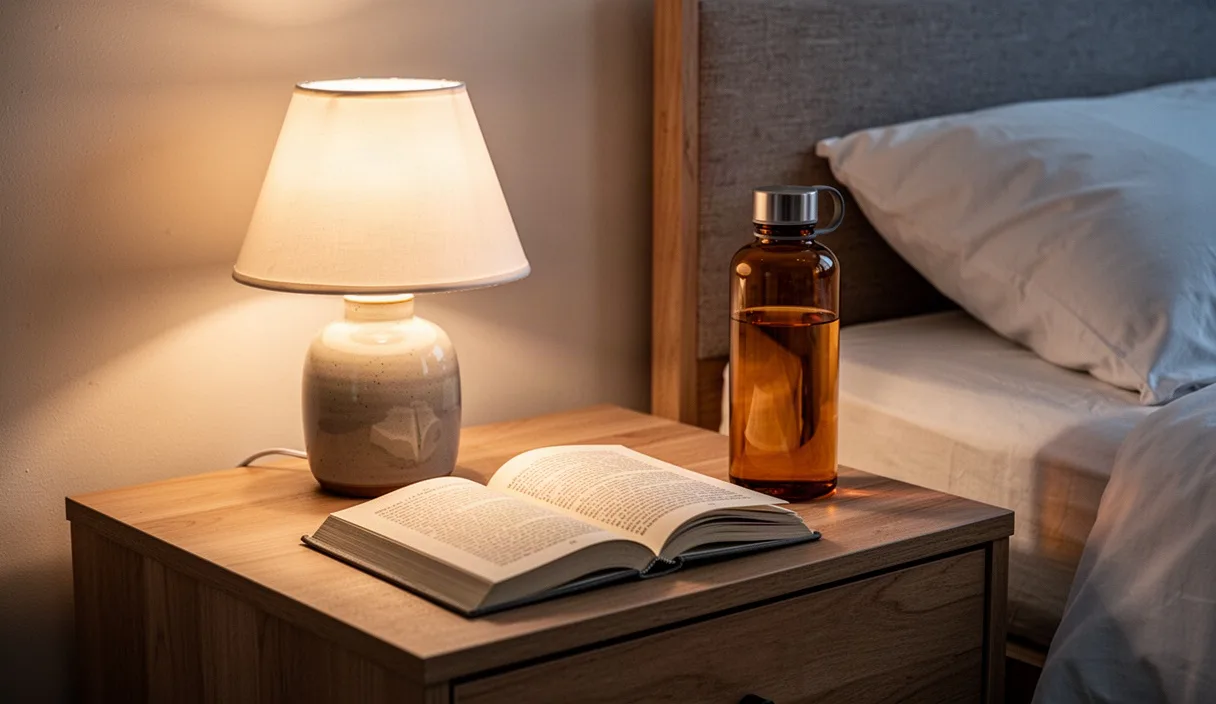
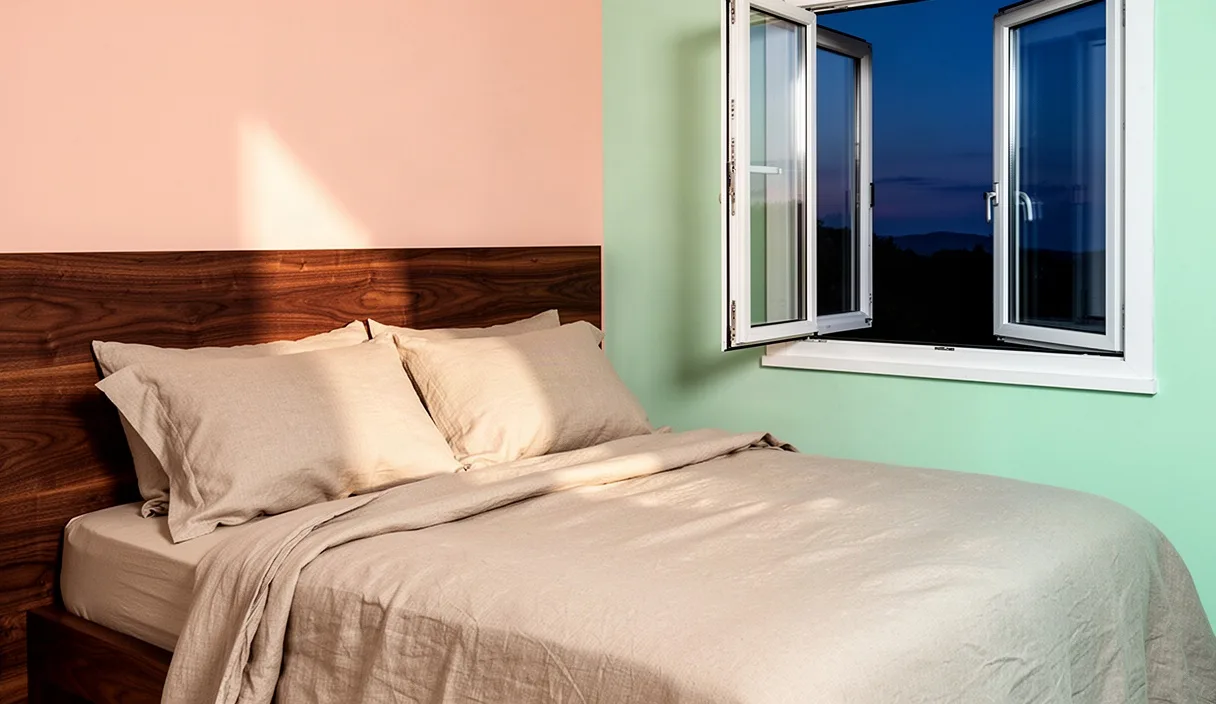

The architectural arrangement of a private sleeping chamber exerts a quiet yet persistent influence on human physiology. While modern habits often prioritize bed frame aesthetics and mattress softness, the invisible dimensions of the room, specifically ambient thermal conditions and acoustic exposure, govern the neurobiological transitions required for recuperation. When these environmental inputs fall outside physiological tolerances, the central nervous system maintains a state of low-grade vigilance that fragments sleep cycles and arrests deep non-rapid eye movement states.
Creating an environment conducive to biological restoration requires an understanding of how the body regulates its internal state in response to external stimuli. The following discussion examines the thermal dynamics of sleep onset, baseline atmospheric standards, acoustic mitigation techniques, and ventilation strategies. By approaching the bedroom as a calibrated enclosure rather than a merely decorative room, one may cultivate conditions that reliably permit physical and cognitive repair.
The Mechanism of Core Body Cooling During Sleep Onset
The initiation of human sleep is intimately tied to the circadian regulation of core body temperature. In the late afternoon, metabolic heat generation reaches its daily apex. As evening approaches, the suprachiasmatic nucleus signals the pineal gland to release melatonin, an event that coordinates with a rapid decline in core temperature. To initiate sleep, the body must dump thermal energy from its visceral core to its periphery, an action mediated primarily through vasodilatation in the hands, feet, and facial skin.
This process of vasodilation increases blood flow to the distal extremities, allowing heat to radiate away into the surrounding air. When a sleeper enters the initial stages of non-rapid eye movement sleep, internal core temperature drops by approximately one to two degrees Fahrenheit (roughly 0.5 to 1.1 degrees Celsius). Should ambient air retain excessive warmth, the thermal gradient between the skin surface and the environment diminishes. In consequence, distal convective cooling stalls, heart rate remains elevated, and sleep onset latency lengthens considerably.
During the rapid eye movement (REM) portion of the night, homeostatic thermal defenses change markedly. The body temporarily suspends its capacity to shiver, sweat, or redistribute blood flow efficiently, behaving functionally as a poikilothermic organism. If the surrounding room deviates excessively in either direction during these intervals, the brain must sacrifice REM sleep continuity to trigger behavioral responses, such as shifting position or throwing off covers, thereby fragmenting memory consolidation and emotional equilibrium.
Setting Ideal Ambient Temperature and Humidity Standards
For most healthy adults, clinical consensus suggests maintaining an ambient bedroom temperature between 60 and 67 degrees Fahrenheit (15.5 to 19.4 degrees Celsius). Individuals sensitive to cooler air may select the upper boundary of this corridor, whereas those prone to nighttime overheating generally prosper toward the lower boundary. Air temperatures above 71 degrees Fahrenheit (21.6 degrees Celsius) consistently induce micro-arousals and reduce slow-wave restorative sleep across studied populations.
Humidity serves as an equally consequential variable in nocturnal thermal exchange. Relative humidity determines the rate at which perspiration evaporates from skin surfaces and bedding textiles. An environment kept between 40 percent and 60 percent relative humidity allows mucous membranes to remain hydrated while supporting predictable convective and evaporative heat loss. Excessive humidity traps moisture within bedding, generating clamminess and microclimate overheating, whereas dry air under 30 percent dries the upper respiratory tract, prompting mouth breathing and airway irritation.
| Room Metric | Standard Target Range | Physiological Consequence of Deviation |
|---|---|---|
| Ambient Air Temperature | 60 to 67 degrees Fahrenheit | Excess heat prevents core cooling; severe chill causes involuntary muscle tension. |
| Relative Humidity | 40 to 55 percent | High values impede sweat evaporation; low values inflame nasopharyngeal tissues. |
| Bedding Microclimate | 84 to 90 degrees Fahrenheit | Deviations disrupt micro-vascular peripheral blood flow at skin surface level. |
To calibrate these factors effectively, one must look beyond thermostat wall settings to the bedding microclimate, which comprises the air trapped between the mattress, the sleeper, and the top covers. Natural fibers, including long-staple cotton, linen, and untreated wool, facilitate active vapor transfer. Synthetic weaves, such as polyester microfiber, trap thermal plumes and moisture against the torso, effectively negating the advantages of an otherwise well-cooled sleeping chamber.
Managing Noise Pollution: Acoustic Dampening and Sound Masking
The human auditory apparatus functions as an active surveillance system throughout the entire night. Even during deep slow-wave sleep, sound signals bypass the sleeping cortex and travel to the amygdala, where sudden increases in sound amplitude trigger autonomic nervous system activation. Noise spikes as low as 45 decibels (dBA), equivalent to a passing automobile or the sudden cycling of a mechanical refrigerator compressor, can induce cardiac acceleration and spike serum daily balance without awakening the conscious mind.
Addressing acoustic intrusion requires a dual methodology: acoustic dampening to absorb sound reflections within the room, and sound masking to buffer abrupt exterior transients. Standard residential construction frequently features hard, reflective surfaces that amplify exterior noise through flutter echoes. Introducing dense soft materials attenuates these reflections before they reach the ear.
- Perimeter Sealing: Install dense rubber door sweeps and silicone weatherstripping around interior bedroom doors. High-frequency sounds travel through minuscule gaps beneath hollow-core doors.
- Window Mass Addition: Utilize laminated secondary glass inserts or hang triple-weave acoustic drapery extending from ceiling to floor, passing beyond the window casing by at least six inches on each side.
- Floor Reflections: Place high-pile rugs backed with dense felt pads over bare timber or stone flooring to interrupt ambient bounce.
- Wall Surface Diffusion: Position bookshelves filled with volumes of irregular depths against shared party walls to break up mid-frequency transmission from adjacent residences.
When physical dampening cannot fully neutralize external disturbances, such as aircraft transit or sirens, continuous auditory masking becomes advantageous. White noise contains equal energy across all audible frequencies, whereas pink and brown noise emphasize lower frequencies, mimicking natural phenomena like steady precipitation or wind through dense foliage. A sound generator calibrated between 38 and 44 dBA establishes a uniform acoustic floor, thereby smoothing out the decibel delta that would otherwise trigger an autonomic arousal response.
Air Circulation and Carbon Dioxide Management in Sleeping Quarters
The concentration of carbon dioxide (CO2) in a closed bedroom frequently goes unmeasured, yet it plays a profound role in sleep architecture. In a sealed bedroom measuring ten by twelve feet with closed windows and doors, two adult occupants will elevate CO2 levels from outdoor baselines of roughly 420 parts per million (ppm) to over 1,500 or even 2,500 ppm over eight hours. Elevated ambient CO2 impairs restful sleep, causing fragmented rest, morning headaches, and a documented reduction in subjective freshness upon waking.
Maintaining air exchange requires continuous, gentle displacement. Where outdoor climate and noise permit, maintaining an open window crack of a single inch creates a natural pressure differential that prevents the accumulation of stale air. If external noise or particulate pollution prevents open windows, interior mechanical circulation must take its place.
Ceiling fans should be run at low speeds to circulate air along the perimeter of the room without blowing a concentrated draft directly onto the exposed skin of the sleeper, which can cause localized cutaneous vasoconstriction. For dwellings with central ventilation, running the system fan continuously on low, combined with an active outdoor air intake or a heat recovery ventilator, ensures that CO2 levels remain below 800 ppm across the sleeping period. Portable HEPA filters equipped with activated carbon layers also remove airborne particulates and volatile organic compounds that can cause nasal resistance and nocturnal mouth breathing.
A Room-by-Room Checklist for Restorative Sleep Architecture
A systematic audit of the bedroom allows one to isolate and resolve environmental defects. Work methodically through the room using the following instructions.
- Evaluating the Window Envelope: Inspect the caulking and sash seals for air and acoustic leaks. Replace standard window blinds with heavy fabric curtains or cellular shades lined with blackout backing. If street noise persists, install custom-fitted acrylic acoustic panels inside the primary window frame.
- Assessing Interior Door Tolerances: Close the bedroom door and check for visible light around the frame. If light passes through, sound does as well. Affix perimeter perimeter neoprene gaskets to the door stops and install an adjustable drop-seal sweep across the bottom threshold.
- Inspecting Thermal Equipment: Verify that bedroom supply registers have operational dampeners. Set the heating program to drop to 65 degrees Fahrenheit roughly forty-five minutes before retiring. Place a standalone digital hygrometer and thermometer at mattress height, rather than relying on a wall-mounted thermostat located down a hallway.
- Analyzing Bedding Assemblies: Remove synthetic mattress protectors that utilize non-porous polyurethane barriers, replacing them with breathable wool or woven cotton barriers. Select duvets that provide appropriate seasonal tog ratings, separating shared coverings into two individual duvets if partners have distinct metabolic profiles.
- Mitigating Background Electronics: Remove or disable appliances that cycle periodically with high motor noise. Unplug chargers that emit high-frequency coil whine, and extinguish all light-emitting diodes (LEDs) with adhesive blackout covers, as localized blue-wavelength light disturbs nocturnal circadian stability.
Common Mistakes in Environmental Bedroom Design
A prevalent error is confusing the sensation of being warm with the conditions necessary for biological sleep onset. Many people keep their bedrooms at 72 degrees Fahrenheit (22.2 degrees Celsius) or above during winter, piling on blankets while maintaining a warm ambient room. This prevents efficient heat shedding from the face and head, which contain high concentrations of arteriovenous anastomoses, the blood vessels primarily responsible for circadian heat dumping.
Another frequent oversight involves running sound-masking devices at volumes that are hazardous to hearing. Placing a noise machine immediately adjacent to the pillow and playing it above 60 dBA can lead to auditory fatigue and, over extended intervals, mild hearing stress. Acoustic masking should rest several feet away from the headboard, calibrated to a gentle whisper level rather than an overwhelming roar.
Finally, individuals frequently over-insulate their beds with impenetrable synthetic memory foams without considering their thermal density. Viscoelastic foam acts as an insulator, holding body heat directly against the underside of the torso. Without open-cell formulations, perforations, or breathable top layers, these materials trap warmth and cause recurrent awakenings throughout the second half of the night, regardless of how cold the surrounding room air may be.
Practical Next Steps for the Restful Bedroom
Begin by establishing accurate baseline measurements rather than making immediate structural alterations. Procure an accurate digital hygrometer with an internal thermometer, placing it directly beside your bed for three nights to record authentic overnight minimums and maximums. Note whether sleep disturbances correlate with specific peaks in heat, humidity, or audible exterior noises.
Once baseline conditions are documented, apply modest mechanical modifications. Lower your nocturnal thermostat setting by two degrees over consecutive evenings until you discover the threshold that allows deep sleep without shivering. Balance this with natural, breathable bed layers that allow individual adjustments during the early hours of the morning.
Should persistent sleep fragmentation, excessive nocturnal perspiration, or continuous difficulty with sleep onset continue despite a cool, quiet, and well-ventilated environment, it is prudent to consult a qualified physician or sleep specialist. Underlying sleep disorders, such as obstructive sleep apnea or restless legs syndrome, require clinical diagnostics that go beyond environmental adjustments.