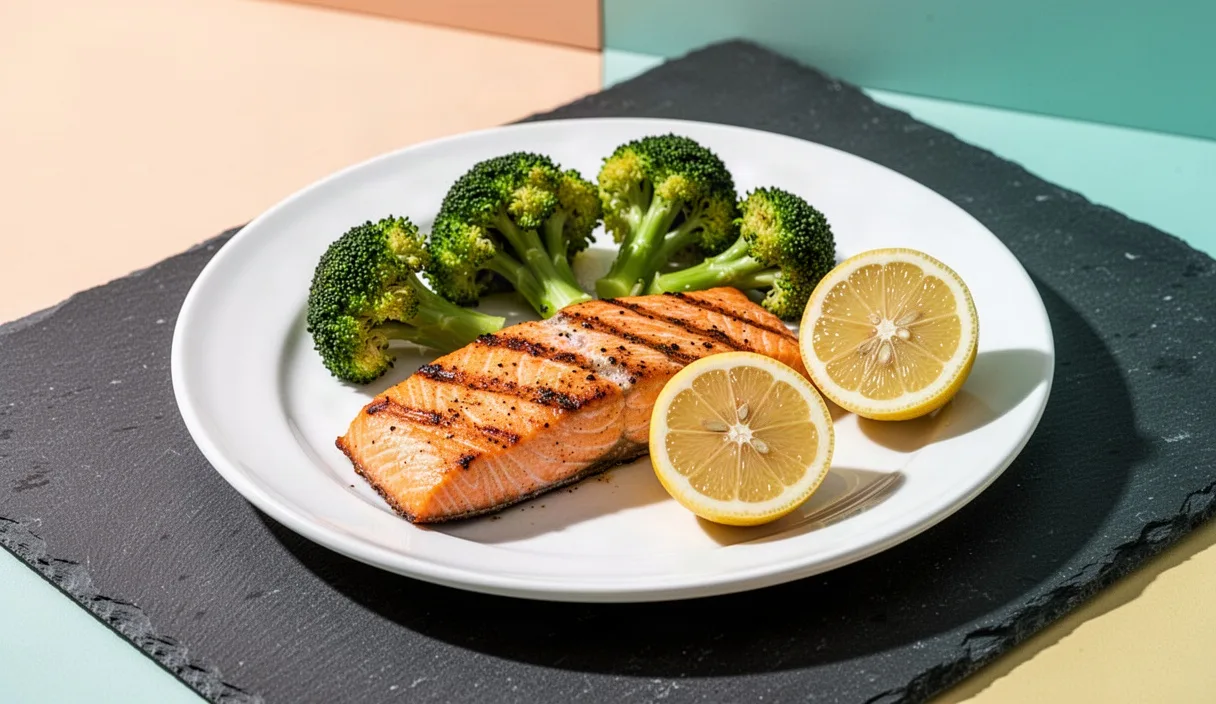


The passage into midlife brings subtle physiological shifts that often escape immediate notice. Among these changes, the gradual accumulation of systemic cellular stress represents one of the most consequential developments for long-term health. While acute inflammation serves as a necessary, protective reaction to physical injury or infection, its persistent, subclinical counterpart quietly taxes the vascular, metabolic, and neurological systems over decades. Many individuals find that recovery from exertion slows, joint stiffness lingers in the early hours of the day, and markers of metabolic efficiency begin to drift outside optimal ranges.
In response, retail shelves offer an expanding array of isolated extracts, capsules, and therapeutic powders that promise rapid cellular relief. The contrast between these isolated compounds and the traditional, complex diets of long-lived populations raises an essential dietary question. Rather than relying on concentrated supplements to offset systemic wear, the thoughtful diner may achieve superior biological stability through regular consumption of unrefined foods. This review examines the biological mechanisms of chronic inflammation, weighs the merits of whole dietary matrices against isolated nutrients, and provides an organized framework for restorative shopping.
Chronic Low-Grade Inflammation and Its Midlife Consequences
Subclinical systemic inflammation, frequently termed inflammaging, operates through steady biochemical signaling rather than dramatic symptomatic flare-ups. Key inflammatory mediators include high-sensitivity C-reactive protein (hs-CRP), interleukin-6 (IL-6), and tumor necrosis factor-alpha (TNF-alpha). When these circulating markers remain slightly elevated over months or years, they alter tissue architecture. An hs-CRP reading between 1.0 and 3.0 milligrams per liter, while often dismissed as borderline in standard evaluations, indicates an environment wherein vascular endothelial cells undergo persistent oxidative stress.
In midlife, this internal environment accelerates several degenerative pathways. Visceral adipose tissue, which tends to accumulate as metabolic rates adjust, acts as an endocrine organ that secretes inflammatory cytokines directly into portal circulation. This process impairs insulin receptor sensitivity in skeletal muscle and liver tissue, gradually fostering insulin resistance. Concurrently, the arterial walls absorb low-grade inflammatory damage, which encourages the deposition of low-density lipoproteins and accelerates arterial stiffening.
The central nervous system also suffers from this prolonged signaling. Circulating cytokines can weaken the integrity of the blood-brain barrier, allowing neuroinflammatory cascades that manifest as cognitive fatigue, reduced processing speed, and disrupted sleep architecture. In musculoskeletal tissues, chondrocytes in articular cartilage downregulate the synthesis of collagen and proteoglycans when exposed to continuous IL-6 signaling, turning minor mechanical wear into chronic discomfort. Addressing these quiet shifts requires proactive measures long before overt disease criteria are met, ideally under the guidance of a qualified practitioner who can interpret baseline blood panels.
The Synergy of Whole Food Matrices Versus Isolated Nutrients
The central limitation of nutritional supplementation lies in the reductionist premise that an active molecule can be excised from its biological setting without forfeiting its efficacy. A whole food is not merely an inert delivery vehicle for an isolated vitamin. It is a dense, highly coordinated architecture composed of fiber networks, water, organic acids, trace minerals, and hundreds of secondary plant metabolites. This collective structure is known in nutritional biochemistry as the food matrix.
When an individual consumes a fresh blackberry, for instance, the ingestion of cyanidin-3-glucoside (a potent anthocyanin) is accompanied by soluble and insoluble fibers, ellagitannins, vitamin C, and potassium. The fiber slows gastric emptying, which allows the polyphenols to pass steadily into the lower digestive tract. There, resident microflora cleave these complex polyphenols into smaller, bioavailable phenolic acids. Furthermore, the accompanying vitamin C prevents oxidative degradation of these delicate molecules within the gut lumen, a protective interaction that an isolated polyphenol capsule cannot duplicate.
Isolated nutrients also present risks of metabolic saturation and competitive inhibition. High single doses of an isolated antioxidant can upset endogenous cellular redox signaling, occasionally shifting from an antioxidant role to a pro-oxidant state in tissue culture models. By contrast, whole foods deliver balanced, lower concentrations of multiple active agents that act upon parallel inflammatory pathways simultaneously. The following components illustrate how matrix elements support systemic balance:
- Cellular Hydration and Pectin Networks: Soluble fibers bind bile acids and delay carbohydrate absorption, which prevents postprandial glucose spikes that trigger inflammatory cytokine releases.
- Microbiome Modulation via Fermentable Substrates: Resistant starches and prebiotic oligosaccharides nourish taxa such as Faecalibacterium prausnitzii, producing short-chain fatty acids like butyrate that suppress nuclear factor kappa B (NF-kB) activation in colonic epithelia.
- Lipophilic and Hydrophilic Pairing: Fat-soluble carotenoids found in green leaves require concurrent lipids for micellar incorporation; consuming them alongside intact seed oils or whole olives increases intestinal absorption several times over.
Mediterranean and Atlantic Dietary Patterns Reviewed
Epidemiological research consistently identifies traditional European coastal eating patterns as standard models for reducing systemic inflammatory markers. While the Mediterranean dietary pattern has received substantial public acclaim, the Southern European Atlantic Diet, practiced historically in northwestern Spain and northern Portugal, exhibits comparable restorative properties using distinct regional staples.
The Mediterranean diet emphasizes unrefined grains, legumes, moderate portions of wild seafood, and substantial daily volumes of cold-pressed extra virgin olive oil. Its protective mechanism relies heavily on oleocanthal, a phenolic compound in fresh olive oil that inhibits cyclooxygenase enzymes in a manner analogous to low-dose nonsteroidal anti-inflammatory agents. Greens such as wild chicory, dandelions, and purslane contribute notable concentrations of alpha-linolenic acid and bitter glycosides that encourage bile flow and liver metabolism.
The Atlantic diet, conversely, draws its strength from cool-climate produce and maritime sustenance. Brassica vegetables, particularly cabbage and turnip greens, take center stage alongside cod, hake, potatoes prepared in broths, and moderate portions of lean pork and dairy. Brassicas are uniquely rich in glucosinolates, which hydrolyze into sulforaphane, a strong inducer of the phase II purifying wellness enzyme pathway and the master antioxidant defense system, Nrf2. Both patterns minimize refined industrial sugars and processed seed oils, offering robust protection against vascular and metabolic decline.
| Dietary Pattern | Primary Fat Source | Prominent Vegetable Classes | Primary Protein Base | Signature Phytochemicals |
|---|---|---|---|---|
| Mediterranean | Extra virgin olive oil | Nightshades, wild herbs, wild chicory | Sardines, mackerel, lentils, chickpeas | Oleocanthal, hydroxytyrosol, lycopene |
| Atlantic | Olive oil and traditional animal fats | Turnip greens, kale, cabbage, leeks | Cod, hake, octopus, modest lean pork | Glucosinolates, sulforaphane, lutein |
Clinical assessments of cohorts adhering to either dietary profile repeatedly show reductions in mean hs-CRP concentrations ranging between 18% and 34% over a multi-year period. These improvements occur without the isolated administration of pharmaceutical extracts, indicating that the cumulative, daily rhythm of modest, nutrient-dense meals exerts an unmatched regulatory influence over systemic physiology.
Critical Evaluation of Curcumin, Resveratrol, and Fish Oils
The health market frequently encourages individuals to replace dietary revision with targeted supplements. Three compounds dominate the restorative category: curcumin, resveratrol, and marine fish oil concentrates. While each shows anti-inflammatory actions in experimental cell and animal studies, their clinical utility as over-the-counter isolates requires sober examination.
Curcumin, the primary polyphenol derived from turmeric rhizomes, illustrates the problem of poor natural bioavailability. When taken as an unformulated dry powder, less than 1% of native curcumin enters the bloodstream, as the liver rapidly glucuronidates and eliminates the molecule through intestinal clearance. Commercial formulations often counter this through additions of piperine (black pepper extract) or lipid emulsification, which increases blood plasma concentrations. However, high doses of piperine can alter intestinal membrane permeability and inhibit cytochrome P450 enzymes, which risks unintended interactions with prescription blood thinners or blood pressure medications. Whole turmeric root incorporated into cooking along with black pepper and simmering cooking fats provides gentle, localized digestive anti-inflammatory activity without taxing clearance organs.
Resveratrol, celebrated as a red wine compound that stimulates sirtuin pathways, presents a comparable dosing paradox. Animal experiments establishing life-extension and tissue-preservation benefits typically employ concentrations equivalent to hundreds of milligrams per day for a human. An average liter of red wine contains approximately 1.5 to 3 milligrams of trans-resveratrol. Commercial high-dose capsules of 500 milligrams bypass this concentration gap, but human trials frequently show rapid metabolization into inactive sulfates and glucuronides, yielding inconsistent results on systemic inflammatory markers while occasionally producing gastrointestinal distress.
Fish oils (providing eicosapentaenoic acid, or EPA, and docosahexaenoic acid, or DHA) do display clear, dose-dependent dampening of pro-inflammatory arachidonic acid cascades. Yet consumer supplements face stability problems. Omega-3 fatty acids possess multiple double bonds that make them vulnerable to oxidation when exposed to heat, ambient light, or oxygen during manufacture and storage. Consuming oxidized, rancid lipid capsules introduces lipid hydroperoxides and aldehydes into the body, which can trigger the oxidative stress they were intended to soothe. Eating fresh, low-trophic fish (such as sardines, herring, or trout) delivers intact, unoxidized fatty acids bound within natural phospholipid membranes, accompanied by bioavailable selenium, iodine, and structural protein.
A Practical Checklist for the Weekly Grocery Market
Translating restorative nutritional concepts into daily life begins at the grocery market. A kitchen stocked with whole, stable ingredients eliminates the impulse to purchase synthetic remedies. The following procedures will guide the selection of items with high anti-inflammatory potential.
Selecting High-Phenol Extra Virgin Olive Oil
Inspect the packaging to ensure the oil resides in dark glass or an opaque tin. Review the harvest date, which should fall within the past 14 months, as polyphenol concentrations decline over time. Seek varieties pressed from Picual, Coratina, or Moraiolo olives, which typically contain higher amounts of bitter, pungent polyphenols. If the oil produces a mild peppery prickle at the back of the throat upon tasting, oleocanthal is present in active concentrations.
Gathering Cold-Water Seafood and Legumes
Prioritize small, wild-caught marine species to minimize exposure to heavy metals such as mercury. Choose fresh or oil-packed canned sardines, Atlantic mackerel, or anchovies, securing enough to provide two to three servings per week. In the dry goods section, bypass precooked, heavily salted canned beans in favor of dried green lentils, black beans, and chickpeas. These legumes provide resistant starch and fermentable substrate for colonic microbes.
Procuring Resilient Cruciferous and Bitter Vegetables
Fill the basket with sturdy brassicas that retain their micronutrient profiles under refrigerated storage: Tuscan kale, broccoli rabe, red cabbage, and Brussels sprouts. Add bitter leaves, such as radicchio or watercress, which contain bitter lactones that support bile production. Select alliums as well, including yellow onions, leeks, and garlic, which provide quercetin and organosulfur compounds necessary for endogenous glutathione production.
Sourcing Polyphenol-Dense Fresh Produce and Roots
Acquire fresh or frozen berries with deep purple or blue skins, such as wild blueberries, blackberries, or blackcurrants, which offer high concentrations of anthocyanins. Finally, purchase raw turmeric and ginger roots rather than ground spice blends that have lingered on store shelves. The whole roots can be washed, kept cold, and grated into meals alongside protective fats.
Common Mistakes
Well-intentioned changes in diet can be undermined by common nutritional oversights. One common mistake is the concurrent use of high-dose antioxidant supplements alongside ultra-processed dietary staples. An individual who takes concentrated polyphenol capsules while regularly consuming meals rich in refined flour, corn syrup, and industrial seed oils cannot counteract the inflammatory effects of repetitive glycemic spikes and advanced glycation end-products.
Another frequent error involves aggressive food preparation techniques. High-heat charring, deep fat frying, and dry roasting over 180 degrees Celsius trigger the formation of advanced glycation end-products (AGEs) and heterocyclic amines. These compounds bind to the receptor for advanced glycation end-products (RAGE) on vascular and immune cells, which sustains NF-kB inflammatory cascades regardless of the quality of the underlying ingredients. Gentle steaming, braising, poaching, and slow simmering into broths preserve the bioactivity of whole food matrices without producing these harmful compounds.
Finally, many people adopt overly narrow dietary restrictions, eliminating broad groups of whole plant foods (such as all legumes or all nightshades) without clinical cause. Unwarranted restriction narrows the gut microbiome, which relies on a wide variety of botanical fibers to produce protective anti-inflammatory metabolites. Dietary elimination should remain an intentional, temporary diagnostic measure supervised by an experienced clinician rather than an indefinite lifestyle.
Prudent Measures for Long-Term Implementation
Sustained biological change requires methodical, measured adjustments rather than sudden, radical dietary changes that are difficult to maintain. The goal is to build an everyday dietary rhythm that steadily reduces cellular inflammatory pressure across the middle and later decades of life.
- Establish an Objective Clinical Baseline: Consult a personal physician to request a standard metabolic panel alongside an hs-CRP test and fasting insulin level. These objective numbers provide a reliable reference point against which your nutritional revisions can be evaluated after six months.
- Perform a Kitchen Audit: Remove industrial seed oils with high omega-6 profiles, such as refined corn, soybean, and cottonseed oils, which skew the tissue omega-6 to omega-3 ratio toward pro-inflammatory eicosanoids. Replace them with single-origin, fresh extra virgin olive oil for cold preparations and moderate heat, and unrefined avocado oil for moderate cooking needs.
- Integrate One Restorative Food Group Weekly: Rather than restructuring every meal overnight, dedicate seven days to mastering the preparation of cruciferous vegetables through gentle steaming and oil dressing. The following week, incorporate three portions of small, oily marine fish into the evening menu.
- Re-evaluate Supplement Use: Take stock of any isolated anti-inflammatory capsules currently in your medicine cabinet. Discuss with your physician whether these isolated products are truly necessary or whether their active agents might be more safely and pleasantly obtained from daily food choices.
By shifting focus away from isolated, synthetic pills and centering your meals on whole food matrices, you support your body with a broad, balanced array of bioactive compounds. This grounded approach calms systemic low-grade inflammation, preserves functional vitality through midlife, and turns everyday meals into an enjoyable source of long-term health.